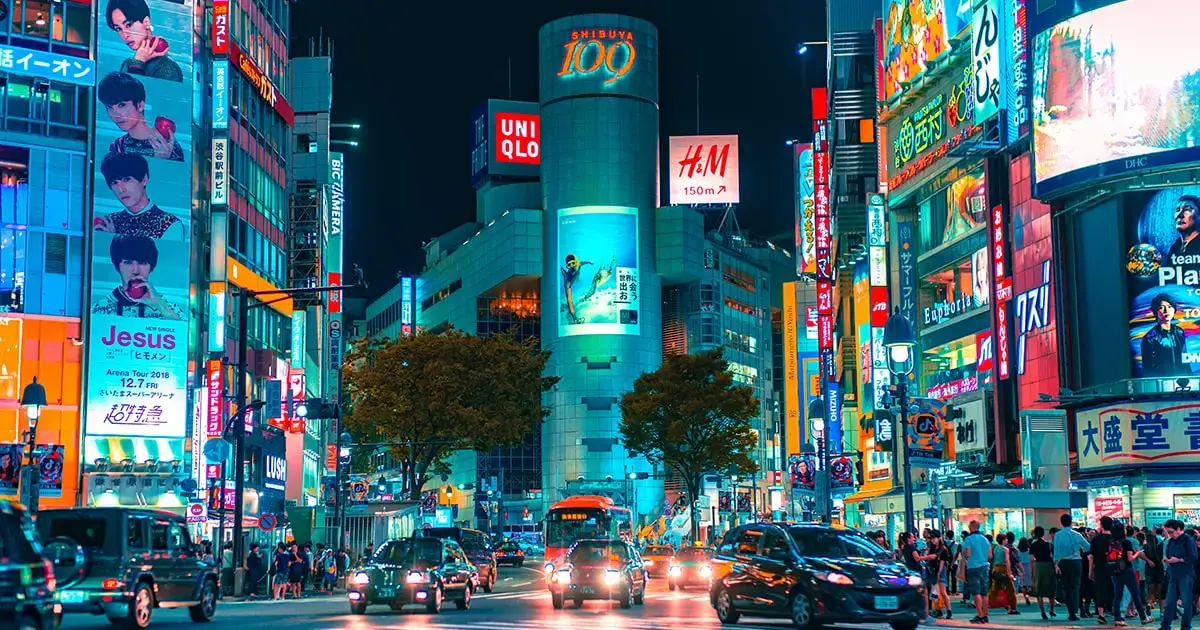
FOODEX Japan is the largest food trade fair in Asia. It runs over three days at Tokyo Big Sight in early March, and for most Turkish food exporters it is the single most important event on the annual calendar. Last year the Türkiye pavilion hosted around thirty companies; the notes below come from those days, when I was running between three of those stands and helping where I could.
T-90: what happens once the booth is locked in
Most Turkish companies arrange their booth through TIM (Türkiye Exporters Assembly) or a sector association. The catch is that pavilion placement is usually finalised 8-10 weeks out, and the empty window before that is the period where most of the real work should be happening.
Inside that window, work through:
- A Japanese-compliant prototype label under the Food Labeling Act (食品表示法). When a buyer picks up the sample at your stand, they want to see a package that could plausibly hit a Japanese shelf.
- Tariff lookups by HS code. Dried apricots, HS 0813.10, sit at 9 percent. Shelled hazelnuts, HS 0802.22, are at 10 percent. If you cannot quote that across the table, a serious buyer will not call back.
- Sample logistics. Japan Customs lets commercial samples under 5,000 yen value pass duty-free, but anything cold-chain needs an advance NACCS filing. Do not leave this to the last week.
T-45: the appointment list and the “mass email” trap
FOODEX pulls around 75,000 visitors over three days. That number is misleading. Press, students, retail supervisors, even local convenience store owners walk the floor. The number of importers who can actually move your product is closer to 80-120 companies.
We usually build that list from four sources: the previous year’s exhibitor catalogue, the JETRO Trade Tie-up Promotion Program database, two or three Tokyo-based sector associations in the relevant category, and targeted LinkedIn outreach.
Email goes out 45 days before the show, but open rates rarely clear 15 percent. The real work starts at the 30-day mark with Japanese-language phone calls.
T-30: an interpreter, not “someone who speaks Japanese”
Having a Japanese speaker on the stand is not enough. The most common mistake I see at FOODEX: a company recruits a Japanese university student studying Turkish and decides that is fine. The student, instead of saying “no,” translates “kangaete okimasu” (let me think about it) literally. The Turkish executive at the table says, “great, the customer is interested.” That sentence actually meant “no, thank you.”
A business interpreter needs to know the product, the pricing logic, and the trade vocabulary. Without that investment, the fair becomes a three-day holiday.
The three days: who staffs the booth and when
Day one (Tuesday) is heavy on professional importers. Day two (Wednesday) skews to retail and restaurant chains. Day three (Thursday) brings smaller distributors and regional players. The pattern repeats every year.
A workable shift plan: 10:00-13:00 sales lead plus interpreter; 13:00-17:00 senior decision-maker (GM or owner) plus interpreter; 17:00-18:00 sales lead again, because the last hour is mostly card-collectors doing the rounds.
After the show: this is where the deal actually happens
The ten days after FOODEX are critical. Japanese buyers come back to a stack of business cards on Monday morning and only entertain quotes from companies that have already reached out. If you do not call, they do not call.
The standard follow-up cadence:
- Day 2 after the show: personalised thank-you email in Japanese.
- Day 5: spec sheet plus indicative CIF Yokohama pricing.
- Day 10: a phone or Zoom request.
- Day 21: sample shipment, if a soft agreement is in place.
Companies that hold this cadence usually convert from FOODEX to a first order within 4-7 months. Companies that skip it can spend two years chasing the same buyer.
One closing note
Beyond FOODEX, IFEX in the spring and Wine & Gourmet Japan in the autumn also make sense for some Turkish producers. If you are weighing an independent booth instead of a pavilion slot, that planning is different and worth its own write-up.